- +86 21 56076732
- rl@mdiecasting.com


Structure of Double Pitch Conveyor ChainA double pitch conveyor chain consists of inner plates, outer plates, pins, bushings, and rollers. Its basic s...
Through participating in this exhibition, we have strengthened the cooperation of each member of our team. Strong cooperation between technical depart...
MATECH attended the 2019 NEWCAST Show in Düsseldorf Germany. At the exhibition, we communicate and discuss with customers from different countries to ...
SUBJECT: Key project discussionOur customers from Vancouver, USA, visited our factory again on the 19th, and saw some projects we are producing for th...
Subject: Visit FactoryWe’re always welcome customers to visit us. Then customers can better know our capacity and service.The customer was happy to se...
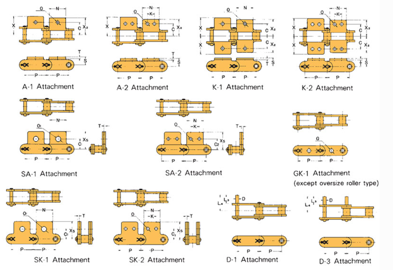
A double pitch conveyor chain consists of inner plates, outer plates, pins, bushings, and rollers. Its basic structure is similar to a standard roller chain, but the pitch is extended to twice the length.
According to roller configuration and application requirements, double pitch conveyor chains are mainly divided into the following types:
S type chains use rollers with the same diameter as standard short pitch roller chains, while the pitch is doubled.
Common models include:
·C2040 (Pitch 25.4 mm)
·C2050 (Pitch 31.75 mm)
·C2060 (Pitch 38.1 mm)
They are mainly used in applications where the chain is driven by sprockets.
R type chains are equipped with larger diameter rollers, allowing the chain to directly run on conveyor tracks or support rails.
Common models include:
·C2042
·C2052
·C2062
They are widely used in conveyor systems requiring smooth material transportation.
D type chains feature extended pins, allowing the installation of customized attachments, flights, or supporting components.
They are suitable for special conveying applications requiring customized structures.
Double pitch conveyor chains can be equipped with various attachments to meet different conveying requirements.
Common attachment types include:
Attachment Type | Description |
A1 | Single-side attachment with one hole |
A2 | Single-side attachment with two holes |
K1 | Double-side attachment with one hole |
K2 | Double-side attachment with two holes |
Extended Pin | Used for customized fixtures or supports |
Attachments allow the chain to transport different products while improving flexibility in conveyor design.
The performance and service life of a conveyor chain largely depend on material selection and heat treatment.
Chain plates are commonly manufactured from high-quality carbon steel such as:
·40Mn
·45Mn
·45# steel
The materials provide good strength, toughness, and resistance against impact loads.
Pins and bushings are typically made from carburizing steels such as:
·20Cr
·20CrMnTi
After carburizing and heat treatment, the surface hardness is increased while maintaining a tough core structure.
This improves:
·Wear resistance
· Fatigue strength
·Service life
Rollers are commonly manufactured from:
·45# steel
·40Cr steel
·Carburizing steel
Heat treatment improves surface hardness and reduces wear during continuous operation.
High-quality double pitch conveyor chains require precise manufacturing processes to ensure stable operation and long service life.
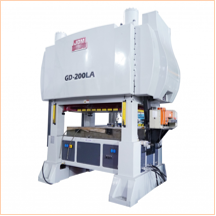
The chain plates are produced through precision stamping processes.
Main steps include:
·High-precision die stamping
·Hole position control
·Flatness inspection
·Deburring treatment
Proper plate accuracy ensures smooth chain assembly and reduces running vibration.
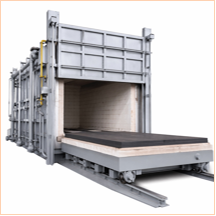
Pins and bushings are manufactured through precision machining and heat treatment.
Typical processes include:
·Cold heading or CNC machining
·Carburizing and hardening
·Grinding and finishing
These processes ensure accurate dimensions and reliable wear resistance.
During assembly:
·Components are accurately matched
·Chain articulation is checked
·Lubrication condition is controlled
·Final inspection is performed before shipment
Due to their lightweight structure and economical design, double pitch conveyor chains are widely used in various industries.
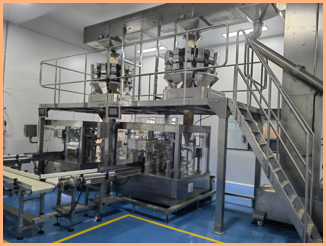
Used in:
Food packaging lines
Pharmaceutical packaging equipment
Consumer goods production lines
They provide stable transportation for lightweight products.
Logistics and Warehousing
Applied in:
Automated sorting systems
Conveyor transfer equipment
Warehouse handling systems
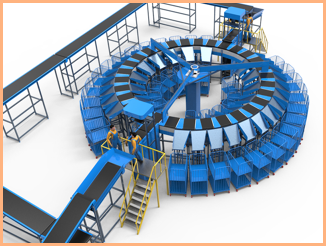
Used for:
Grain and feed transportation
Painting lines
Cleaning systems
Assembly Automation
Suitable for:
Electronics assembly lines
Appliance manufacturing
Light-duty production conveyors